The Best Edible Souvenirs to Bring Home

As we prepare for another adventure, I got to thinking about the edible souvenirs that we bring home…

We all do it. Travel somewhere fabulous and want to bring home a little something for friends or ourselves to enjoy at home. When you travel domestically, it’s easy. A little maple syrup from Vermont, wine from Napa or the Willamette Valley, fun spice mixes and artisanal jams from craft fairs. It’s a different ball game when you travel internationally. There are limits to certain products and there are some BIG “no-no’s”.

U.S. Customs and Border Protection (CBP) has concrete rules about what crosses the border, and they change depending on the country of origin. The good news is that a wide category of shelf-stable, processed foods sail through with no issue at all. Here’s what to look for, and what to leave behind.

Photo by <a href="https://unsplash.com/@eprouzet?utm_source=unsplash&utm_medium=referral&utm_content=creditCopyText">Eric Prouzet</a> on <a href="https://unsplash.com/photos/a-group-of-tins-of-food-sitting-on-top-of-a-table-3qzM77wpIyg?utm_source=unsplash&utm_medium=referral&utm_content=creditCopyText">Unsplash</a>

Photo by Eric Prouzet on Unsplash

As a general rule, if it’s commercially packaged, shelf-stable, and doesn’t contain fresh meat, fresh dairy, or fresh produce, it’s very likely fine to bring in. This covers a huge amount of the most giftable food in the world:

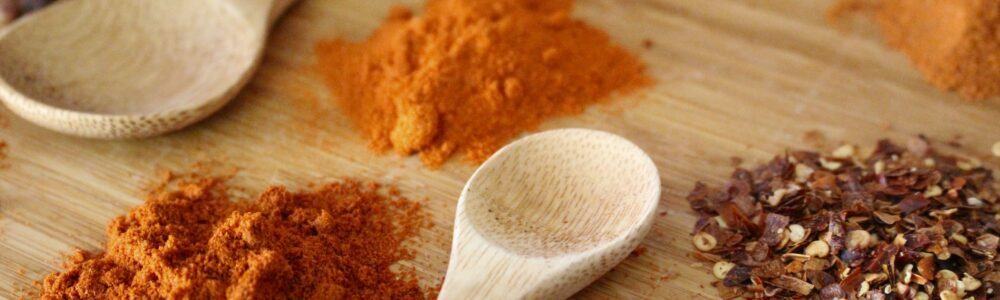
Spices and spice blends are classics for a reason. A tin of saffron from Spain, a bag of za’atar from Jordan, or a jar of Ethiopian berbere weighs almost nothing, keeps for a year or more, and instantly transports the recipient into someone else’s kitchen. Whole or ground spices are almost always permitted. I brought back bulk spices from a souk in Egypt and lovely paprika from Budapest.

Oils and Vinegars are always a treat, especially if you are in Greece, Italy or Spain. Exceptional vinegars can be found in nearly every country. Look for something unique that you have never seen at home. My SILs brought me a gorgeous Italian olive oil in a fantastic decanter. The oil is long gone, but I use the decanter every day!

Tea and coffee travel beautifully and buying direct from the source often means flavors you simply can’t find at home. When in London, go to Harrod’s to create your own blend.

Chocolate and confectionery Who doesn’t love chocolates? Belgian pralines, Swiss bars, Japanese Kit Kat flavors, and Mexican chocolate tablets for hot cocoa are all safe picks. Each country has their own specialties and craft houses. Seek them out for an unforgettable gift for a friend at home.

Honey, jam, and preserves are usually fine as sealed, commercially processed jars. A jar of Greek thyme honey or French fig preserves makes an elegant, low-risk gift. One of my faves to bring back is Bonne Maman Framboise Intense. I have never seen it in the states and it is truly amazing. It has less sugar than the original and tastes more like fresh raspberries.

Alcohol is technically permitted in your luggage in personal-use quantities (typically capped around one liter duty-free per person, though you can bring more and pay duty on the excess). A bottle of regional wine, mezcal, or amaro is a great gift as long as you pack it carefully and check state import limits for your destination.

Baked goods, cookies, and crackers without meat or fresh dairy fillings are generally welcome — shortbread, biscotti, and packaged pastries all travel well. I only recommend cookies and such if they are in a sturdy tin. You don’t want a suitcase full of crumbs.

The riskiest categories are the ones tied to agricultural pest and disease prevention, not flavor:

Photo by Jacopo Maiarelli on Unsplash

  • Fresh fruits and vegetables are almost universally restricted or banned, since they can carry pests or plant diseases.
  • Meat products, including cured meats like prosciutto, chorizo, or jamón Ibérico, are banned from most countries due to disease risk, even if vacuum-sealed. If you find an outstanding product, many stores will ship for you and they will know all the restrictions. I do have a caveat on this one – tinned fish from Italy and Spain, tinned foie gras and pâté from France all sailed right through customs with me.
  • Raw or unpasteurized dairy, can be restricted; pasteurized, hard, aged cheeses are more likely to be allowed but still require declaration. I did bring back Gouda from Amsterdam with no problem.
  • Soil, plants, and seeds face heavy restriction, so skip that bag of “just a few” seeds from the market, however innocent it looks.
  • Anything containing ingredients from countries under specific USDA/CBP agricultural restrictions can be seized even if it fits an otherwise-safe category, so it pays to check current country-specific rules before you buy.

I have never declared any food items because I am always under the limit.  If you’re unsure, CBP’s own online tool for checking specific food items by country is worth five minutes before shopping, especially if concerned about a specific item. Keep items in their original, sealed, labeled packaging, since a homemade jar of chutney from a stranger’s kitchen table is far more likely to raise questions than a factory-sealed one.

The best edible souvenirs aren’t really about avoiding a customs headache, they’re about picking things that hold onto a place. A spice you’ll never find in a regular grocery store, a tea that tastes like a specific morning, a bottle of something local poured out months later for a friend who wasn’t there: those are the gifts people actually remember, and happily, they’re also the ones that make it home in one piece.

When you are ready to travel, I do hope you’ll get in touch to allow me to help you plan a memorable trip. In the meantime, you can follow me on Instagram here and here, and Facebook, here and here.

Take a Beer Vacation – Almost Anywhere

I am not saying you should take a vacation FROM beer. I am saying that you should turn your vacation into a Beer Vacation. With the growth of the craft beer scene all across the country, this is much easier than it sounds. Living with a home brewer, as I do, the task takes on even greater ease! He is willing to do all of the research into finding local breweries and craft beer bars in any area we travel! Consequently, each vacation lately has become a beer vacation for at least one of the days we are traveling. Sometimes we take a guided tour of the brew house; sometimes we just enjoy a flight of whatever happens to be on tap.

Beer Vacation – Hitting Up as Many Breweries as Possible

Vibrant craft beer scenes in the Pacific Northwest are a great place to start. We have made Seattle and Bend, Oregon into craft beer vacations, hitting up as many breweries as possible. (For Bend, go to the “Visit Bend” site and get all the info you need to take a great beer hike around town.) Another great option is the San Diego area. There are dozens of microbreweries there and a few really big ones too – like Stone, Green Flash and Lost Abbey off the top of my head.

Northern California is a Treasure Trove

Last year, attending the wedding of a friend, I had the good fortune to take some of my gal pals on a tour of Sierra Nevada in Chico. None of them had ever done a full blown brewery tour and they will forever be ruined for all others! I have been on dozens of tours, and this one is the BEST I’ve ever taken. The building is Lied Certified and they do all sorts of next level shit in there to help the local community, environment and the craft brew scene. All of Northern California is a treasure trove of amazing taprooms and breweries. The San Francisco area boasts a Rogue taproom, 21st Amendment Brewing and  Speakeasy brewing just to get you started.

On our most recent trip (you can read about it in four installments here on the site) we had the great good fortune of making beer vacation days out of Bamberg, Vienna and Frankfurt. But the biggest happy accident of the trip was finding a small local brewery in Amsterdam. After chatting with the barmaid at VOC Café where we enjoyed bitterballen, we asked about a nearby brewery, Brouwerij De Prael. She warned us that it was small, but we weren’t deterred. Size doesn’t always matter. Great beer does! It was close by so we trekked on over to check it out. We weren’t disappointed!

A Rabbit Warren of Small Rooms

After walking down a cobblestone alley where no car could have driven, we walked into a wild scene of “bingo night” where the grand prize was a scooter. Brouwerij De Prael was packed to the rafters with loud contemporary and 80’s pop music blaring and everyone was having a good time. The building itself is a rabbit warren of smaller rooms. A taproom in the front, several small dining rooms, and an American style bar menu featuring burgers, dogs and sandwiches. Because it was so busy, finding a place to park ourselves was a challenge, but we found a couple of seats at a shared high-top table in the front room near the door and tucked in for a good time. Of course John mentioned to the door man, Nelis, (pronounced NAY-liss) that he is a home brewer. Nelis then proceeded to give us a private guided tour of the brew house, complete with meeting the local homebrewing club! What a Happy Accident!

Clockwise from top left – beer aging in Ardbeg casks, the only burger I ate on the entire 2 week trip – cooked perfectly rare, Hubby John (in the red shirt) with the local Amsterdam Home Brewers Club, Nelis and I in the brewhouse, drinking beer in the taproom, Hubby John’s NotaBrau sticker in the brewhouse with other brewers’ stickers.

Resources to Get You Started

Intrigued? Wanna try it out for yourself? There are several great references out there. Of course you can go to the Chamber of Commerce or tourism site for any city you are visiting. Beware, they don’t always have great info on craft beer bars or breweries, unless the area is known for their craft beer scene, like Bend. Online be sure to check out Beer Advocate. Go to the “places” tab and select “directory”. They list breweries, bars, brew pubs with food, home brew supply stores, and stores with great beer selections. While you are there, subscribe to the magazine! Check out Lonely Planet and their collection of Global Beer Guides, available in print and digital formats. I prefer Lonely Planet travel guides over others because there are always quirky little things they find that aren’t in other guidebooks. You can select individual chapters for just the area you are traveling to, but WHY? Get the whole damn book so you are prepared for your next adventure ($20 in hardback)!

Buy Lonely Planet’s Global Beer Tour book  here in digital or print formats (photo from Lonely Planet website)

Another great book is this one by National Geographic. As with all Nat Geo products, the photography and content are first rate. It is a larger format book, a fantastic “coffee table book” for the beer lover on your Holiday gift list. ($40 in hardback.)

Buy Nat Geo’s Atlas of Beer here direct from National Geographic           (photo from Nat Geo website)

Finally, talk to the bartender at your local craft beer bar, beer goddesses at beer festivals or your local home brewers’ club. Those folks know where it’s at when it comes to craft beer and can point you in the direction of fab bars and breweries. Definitely do this AT your destination. Find one great taproom and the kind folks there will lead you to others. And ALWAYS – drink responsibly and don’t drink and drive!